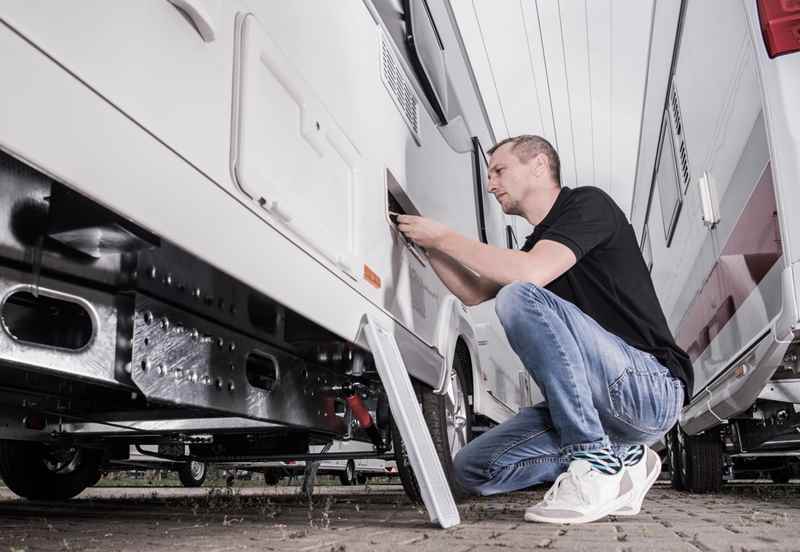

Owning an RV means embracing adventure—open roads, scenic campsites, and the freedom to explore on your own terms. Whether you’re a full-time RVer, a weekend traveler, or someone gearing up for a cross-country road trip, your recreational vehicle is both your transportation and your home. But every home-on-wheels needs regular RV maintenance to stay in safe, reliable condition. Neglecting even small tasks can lead to unexpected breakdowns, expensive repairs, or interrupted travel plans.
Having a proactive RV maintenance checklist not only protects your investment but also ensures smooth, stress-free travel. Many of the most important RV upkeep tasks are simple, quick, and completely manageable—even for new RV owners. This guide covers five essential RV maintenance tips along with additional quick checks to help keep your rig in peak shape.
Let’s dive into the high-value areas of RV preventative maintenance that will keep you on the road and out of the repair shop.
5 Key Maintenance Tips for Your RV
1. Address Fluid Levels
Regularly checking your RV’s fluid levels is one of the easiest yet most important forms of RV maintenance. Just like with a standard vehicle, your RV relies on several essential fluids to keep the engine, transmission, and other systems running smoothly. Because RVs often sit unused for weeks or months at a time, fluids can settle, degrade, or leak slowly—making this a crucial part of your RV trip preparation.
Why Fluid Levels Matter
Low or contaminated fluids can cause:
- Overheating
- Engine wear
- Transmission failure
- Poor brake response
- Reduced fuel efficiency
Ignoring fluid issues is one of the most common—and costly—RV maintenance mistakes.
Fluids to Check Regularly
Your RV maintenance checklist should include the following:
- Engine oil – vital for lubrication and engine life
- Transmission fluid – keeps your RV shifting smoothly
- Coolant/antifreeze – prevents overheating or freezing
- Brake fluid – ensures safe stopping
- Power steering fluid – helps with maneuverability
- Generator oil – especially important for RVers who boondock or run appliances frequently
Tips for Proper Fluid Maintenance
- Always check fluids when the RV is on level ground for accurate readings.
- Pay attention to unusual odors, such as burning oil or sweet coolant smells.
- Look for leaks under the RV during your trip prep.
- Keep spare fluids in your onboard RV tool kit.
- Follow manufacturer intervals for oil changes and inspections.
Routine fluid checks are simple RV maintenance tasks that dramatically reduce the risk of roadside issues.


2. Check Tires
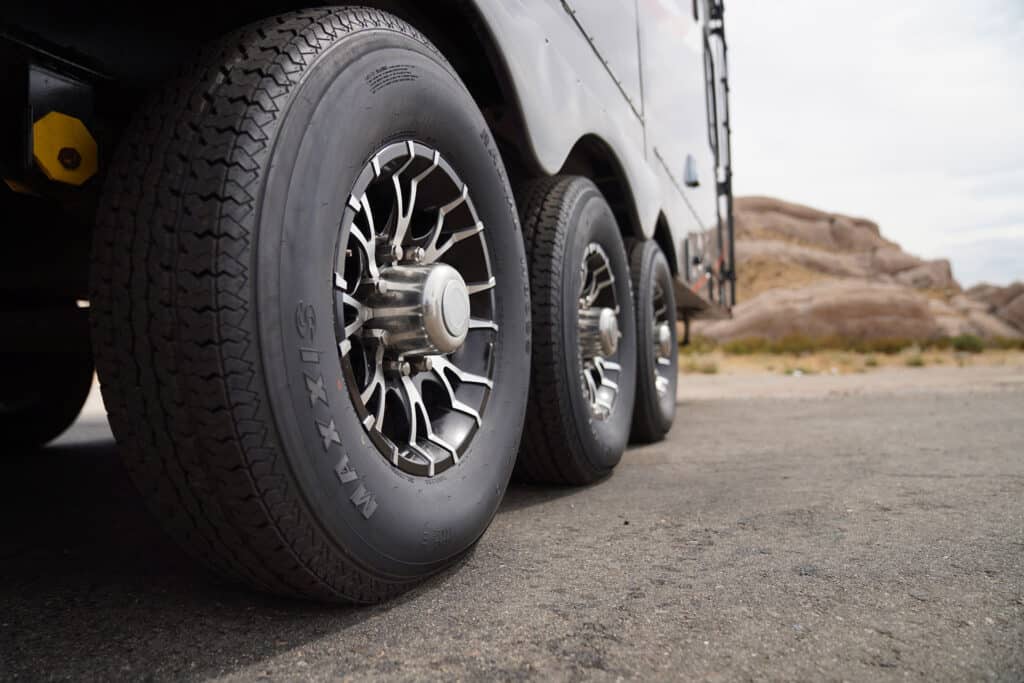
Your RV’s tires are among the most important safety components of the entire vehicle. They bear thousands of pounds of weight and must handle long road trips, hot pavement, sharp turns, and occasional off-road terrain. Proper RV tire maintenance is essential for safe travel.
Why Tire Maintenance Is Critical
A tire blowout in an RV is significantly more dangerous than in a car. Improper tire pressure or unnoticed damage can lead to:
- Loss of control
- Damage to the RV exterior
- Wheel well destruction
- Suspension problems
- Trip-ending emergencies
Tire-related issues are a top cause of RV breakdowns on highways.
What to Inspect
Before each trip, check:
- Tire pressure – using a reliable gauge or RV TPMS
- Tread depth – ensure it meets safety standards
- Sidewall condition – look for cracks, dry rot, or bulges
- Valve stems – replace if worn
- Age of the tire – RV tires often “age out” before they “wear out”
Most RV experts recommend replacing tires every 5–7 years, even if they appear to have adequate tread.
Helpful Tire Care Tips
- Check pressure when tires are cold for best accuracy.
- Use tire covers when storing your RV to prevent UV damage.
- Always carry a tire repair kit and portable air compressor.
- Know your RV’s weight limits to prevent overloading the axle.
Keeping tires in excellent shape is one of the best ways to ensure safe, efficient, and enjoyable travel.
3. Roof Maintenance
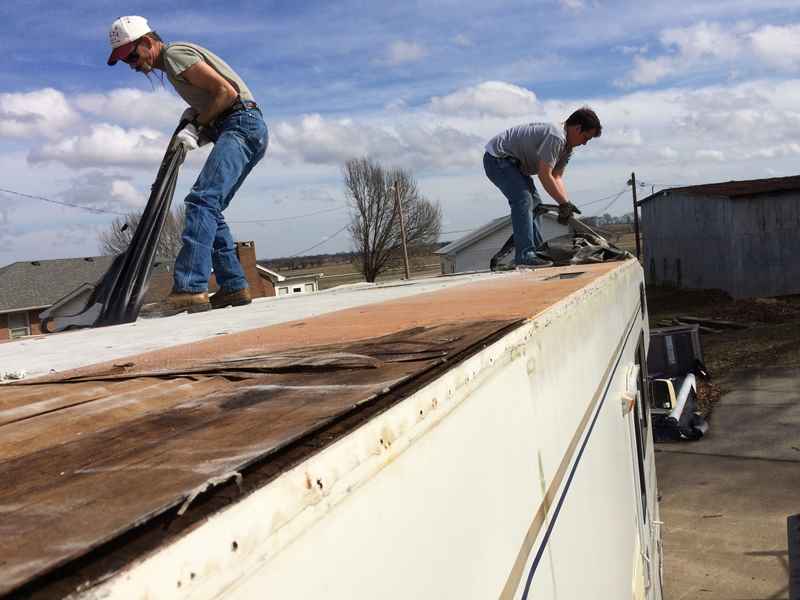
Your RV’s roof is one of the most important—and most vulnerable—parts of the vehicle. It shields your interior from rain, sun, snow, falling debris, and temperature fluctuations. Unfortunately, roof leaks are among the most common (and expensive) RV problems. That’s why routine RV roof maintenance should be a top priority.
Why Roof Care Is Essential
Ignoring roof issues can lead to:
- Water damage
- Mold and mildew
- Damaged insulation
- Delamination
- Electrical hazards
- Thousands of dollars in repairs
Many roof problems start small, such as cracked sealant, but grow worse over time.
What to Look For During Roof Inspections
At least twice a year—and before major trips—check the roof for:
- Cracks, tears, or punctures in the membrane
- Loose or deteriorated sealant around vents, antennas, and skylights
- Soft spots indicating hidden water damage
- Debris that could cause abrasions
- Signs of mold or moisture inside the RV ceiling
Proper Cleaning and Care
- Use RV-safe cleaning products suitable for rubber, fiberglass, or aluminum roofs.
- Remove branches, leaves, and dirt buildup regularly.
- Reseal seams with products like Dicor or Eternabond as needed.
- Consider using a protective roof coating every few years.
- If possible, store your RV under cover to extend roof life.
Strong roof care prevents the biggest and most expensive RV repair issues.
4. Interior Appliances and HVAC Systems
Your RV’s appliances and HVAC system make your travels comfortable and convenient. Whether you’re heating your RV in winter, cooling it during summer, or running your refrigerator on electric or propane, keeping these systems in good condition is essential.
Key Components to Inspect
As part of your RV maintenance checklist, test all major appliances:
- Refrigerator
- Stove and oven
- Microwave
- Air conditioner
- Water heater
- Furnace
- Thermostat
- Vent fans
A simple test run before your trip ensures everything functions correctly when you need it most.
Don’t Forget HVAC Air Filters
A clogged HVAC filter results in:
- Low airflow
- Higher energy use
- Reduced cooling and heating performance
- Strange odors
- Potential system failure
Replacing air filters is one of the easiest RV maintenance tasks. Locate the intake vent, remove the old filter, and replace it with the type recommended by your RV model.

Extra Tips for Appliance Care
- Inspect refrigerator and furnace vents for debris.
- Clean dust from appliance exhaust areas.
- Check for propane leaks using a leak detector or soapy water.
- Test appliances on both propane and electric power if they are dual-mode.
- Run your water pump and faucets to ensure pressure is adequate.
Keeping appliances in top shape ensures a comfortable trip without unexpected hassles.
5. Maintenance Tools to Keep on Hand
Even with excellent preparation, minor issues can arise on the road. Having the right tools allows you to handle small repairs quickly without needing emergency service. A well-stocked RV tool kit is essential for safe and confident travel.
Essential Tools Every RVer Should Carry
- Screwdrivers
- Socket set
- Pliers and locking pliers
- Adjustable wrenches
- Utility knife
- Electrical tape and duct tape
- Fuses
- Multimeter
- Flashlight/headlamp
- Tire pressure gauge
- Portable air compressor
- Tire plug kit
- Zip ties and hose clamps
These tools allow you to address common problems like loose screws, blown fuses, small leaks, and minor electrical issues.
Lubrication Supplies
Maintaining moving parts is a major part of routine RV upkeep. Keep these lubricants on hand:
- Silicone spray
- White lithium grease
- WD-40 or a similar multi-use lubricant
These are especially helpful for RV slide-out maintenance and stabilizer jacks.
Other Quick RV Maintenance Tips
Fix Seals
Inspect window, door, and roof seals regularly. Replacing worn seals prevents water damage and improves temperature control.
Sanitize Water Tanks
Sanitize your fresh, gray, and black water tanks regularly. Clean tanks prevent odors and reduce bacteria growth—an essential part of RV maintenance for camping trips.
Stock Emergency Supplies
Carry:
- First aid kit
- Fire extinguisher
- Roadside emergency kit
- Extra water
- Spare fuses
These items are vital during unexpected delays or minor roadside repairs.
Maintain the Generator
Your generator requires frequent attention, especially for boondockers. Check:
- Oil level
- Air filter
- Fuel supply
- Overall function
Run the generator monthly to prevent buildup and keep it in reliable condition.
Test Detectors
Safety detectors are essential:
- Smoke alarms
- Carbon monoxide detectors
- Propane leak detectors
Replace batteries as needed and test them regularly.
Monitor Dashboard Gauges
Dashboard gauges like temperature, oil pressure, and voltage provide early warnings of mechanical trouble. Get malfunctioning gauges repaired promptly.
Re-Lubricate Slides and Jacks
Regular lubrication ensures smooth operation and prevents grinding or jamming.
Care for Your RV Exterior
Wash and wax your RV exterior to:
- Protect against UV rays
- Reduce dirt buildup
- Prevent oxidation
- Keep your RV looking great
Use products designed for fiberglass or aluminum RV exteriors.
Conclusion
Proper RV maintenance is the key to safe, smooth, and memorable adventures. By checking fluid levels, inspecting tires, maintaining the roof, caring for interior appliances and HVAC systems, and carrying essential tools, you can avoid most common RV breakdowns. Additional tasks—like fixing seals, sanitizing water tanks, and testing safety equipment—round out a strong RV maintenance checklist that protects both your RV and your peace of mind.
With consistent RV preventative maintenance, you’ll not only extend the life of your rig but also ensure that each trip is enjoyable and worry-free. With these natural, easy-to-follow RV maintenance tips, you’re ready to hit the open road confidently and safely.
FAQs
What regular maintenance should be done on a RV?
Regular maintenance for an RV includes inspecting and servicing the tires, brakes, engine, generator, appliances, and roof seals. Lubricating moving parts, checking fluid levels, and cleaning the interior and exterior are also important.
Do RVs require a lot of maintenance?
RVs typically require more maintenance than regular vehicles due to their size and complexity of their living area (the coach). Common maintenance tasks mor include checking tires, batteries, generators, plumbing, and appliances regularly. Proper care and upkeep is important to ensure safe and reliable operation of an RV.
What is the most common RV repair?
The most common and important RV repair is replacing or repairing the RV’s roof.